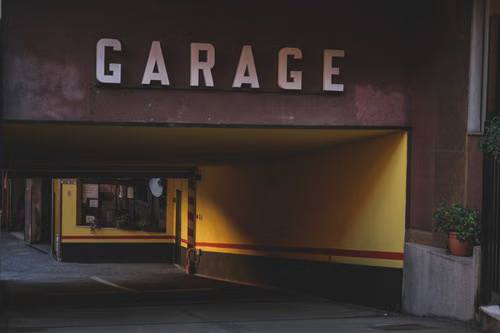
There is a sentence homeowners say with real relief after a flood, and it costs more than almost any other sentence in this business. Thank goodness it was just the garage. The floor is bare concrete, nothing looks ruined, and the water seems content to sit there until someone gets around to a squeegee. So the call for emergency water removal never happens, or happens three days late, and the least finished room in the house quietly turns into the most expensive one.
Here is the flaw in that thinking. People rank rooms by how nice they are. Water ranks rooms by what is standing in them, and by that measure the garage and utility room outrank the living room every time. Emergency water removal exists for exactly this kind of loss, the one that looks harmless because nobody put carpet in the room where the furnace lives.
Restoration Logistics Lafayette takes garage and utility room calls across Lafayette, with crews on site within 60 minutes at any hour. A concrete floor buys you less time than you would guess, and what sits on that floor buys you almost none.
The Mechanical Heart of Your House Sits in Its Least Protected Room
Look around the room. The furnace. The water heater. The electrical panel. The washer and dryer. Everything that makes the rest of the house livable stands directly on that slab, usually within a few feet of a floor drain that just backed up or a supply line that just froze and split.
Water at ankle height around this equipment is a bigger event than water soaking a sofa. The Air-Conditioning, Heating, and Refrigeration Institute advises that flood-damaged heating and cooling equipment should be replaced rather than repaired, and that any inspection belongs with a qualified contractor, not the homeowner. Their reasoning is unsettling. Corrosion starts inside gas valves and controls, where damage stays invisible even when the outside of the unit wipes clean and dry.
Concrete Looks Fine and Lies About It
Now the floor itself. Concrete reads as indestructible, and structurally it mostly is. The problem is that concrete is porous, so a slab that held standing water for a day has absorbed moisture it will release slowly for weeks. Sweep the surface dry, and the slab underneath keeps feeding humidity into the room, into the stored boxes, and into the framing.
The perimeter is where it gets expensive. Garage and utility room walls sit on wooden sill plates, with drywall running down to an inch above the slab. Standing water finds both. The bottom edge of the drywall wicks upward behind the paint, the plate soaks inside the wall cavity, and none of it shows from the middle of the room where the floor already looks dry. Water also travels under interior walls, which is how a utility room flood becomes damp carpet in the hallway on the other side.
The Cardboard Box Problem Nobody Budgets For
Now the boxes. Garages store the things families cannot bring themselves to throw away. Photo albums, holiday decorations, tax records, the kids’ school artwork, all packed in cardboard sitting directly on the slab. Cardboard wicks water from the bottom up, so a box can be soaked four inches deep while its lid looks perfect.
The furniture in the living room has a receipt and a replacement. The bottom box in the garage stack often does not. Getting water off that floor within hours instead of days is frequently the difference between drying out some damp cardboard and opening a box of photographs that fused into a brick.
How Emergency Water Removal Actually Works on a Slab Floor
Professional crews treat a flooded garage differently than a squeegee does. Standing water gets extracted fast, contents come up off the floor and out of the wet zone, and then the real work starts at the edges. Air movers and dehumidifiers run against the perimeter walls, moisture readings track the slab, the sill plates, and the drywall bottom edge, and adjacent finished rooms get checked for water that traveled under the walls.
That verification step earns its keep here more than anywhere. A garage is exactly the room where a hidden wet wall goes unnoticed for a month, because nobody sits in there in the evening to smell the mustiness starting. Documented readings also give your insurance adjuster a clear record of what the water touched, including equipment that may need replacement rather than a wipe-down.
One Rule Before Anything Restarts
Do not relight, reset, or restart flooded equipment to see if it still works. A water heater or furnace that fires up after a flood has proven nothing about what is corroding inside its controls. Pennsylvania’s Department of Environmental Protection, in its flood recovery guidance, notes that even a water heater that seems to run properly can corrode later. That pressure relief valves exposed to floodwater can stick and should be replaced. A stuck relief valve is not a reliability issue. It is a safety device that no longer works.
The same restraint applies at the electrical panel. If water reached outlets, cords, or the panel itself, keep out of the room until power to it is safely off and let qualified hands make the call on what is salvageable.
Rerank Your Rooms Before the Next Freeze
Lafayette sees the classic setups for this loss every winter. A hose bib or an uninsulated line in the garage freezes, splits, and runs while everyone sleeps, or a heavy storm shoves water under the overhead door and into the utility room. When it happens, resist the relief. The room with the concrete floor is holding your heat, your hot water, your power, and your family’s history in cardboard.
Treat a flooded garage with the urgency you would give a flooded bedroom, and call for extraction while the water is still standing. Concrete forgives almost everything except being ignored.
